Why we snorkel
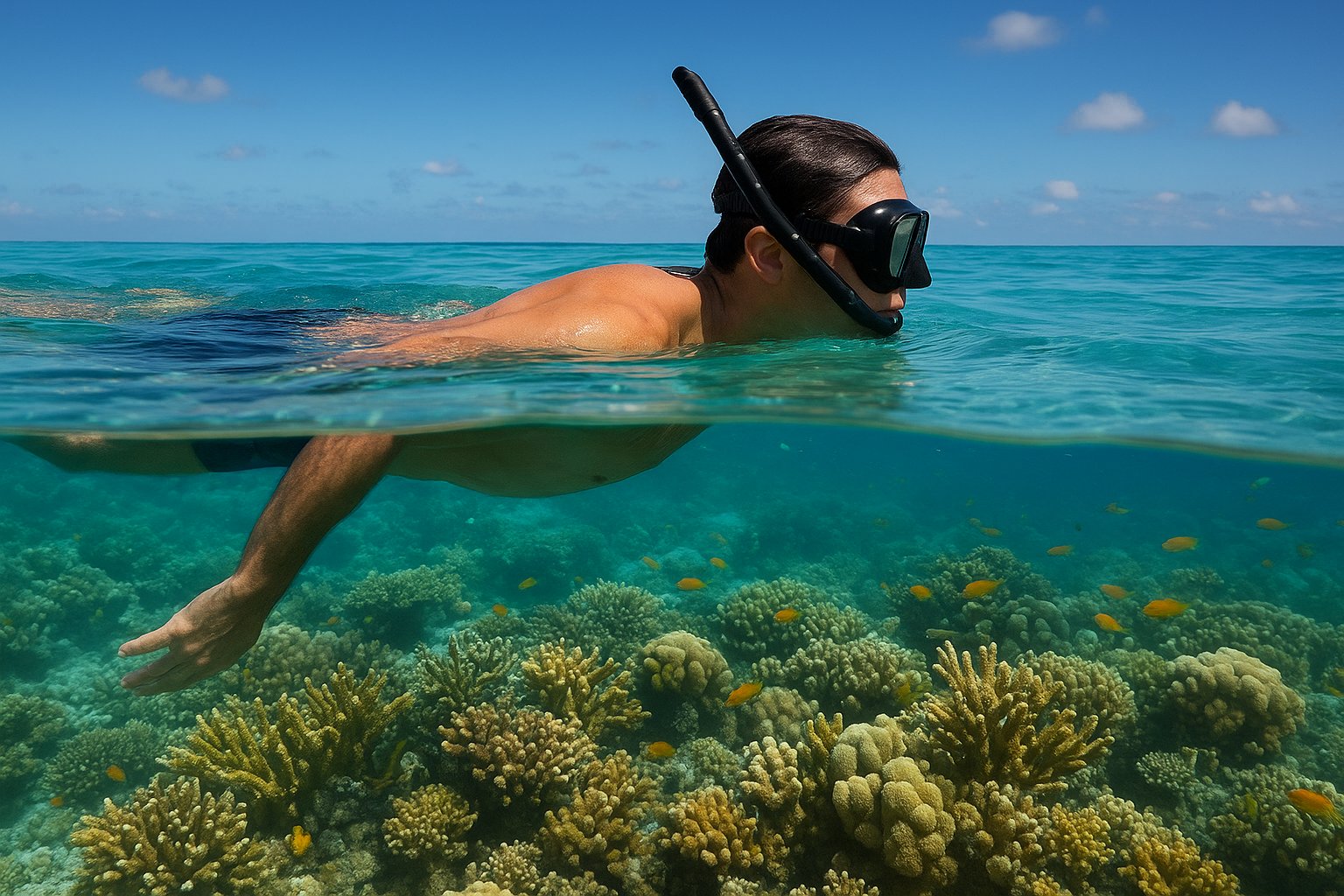
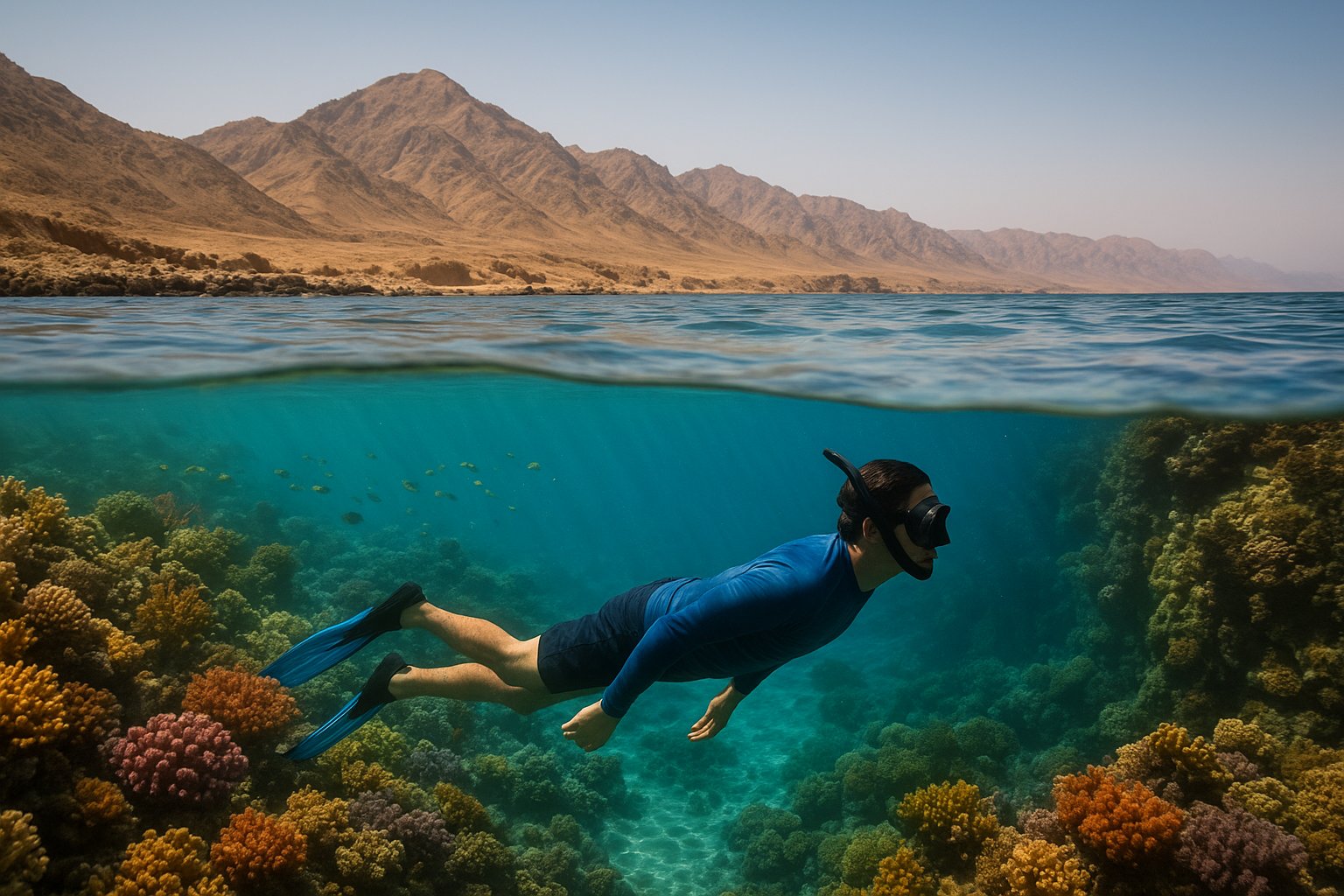
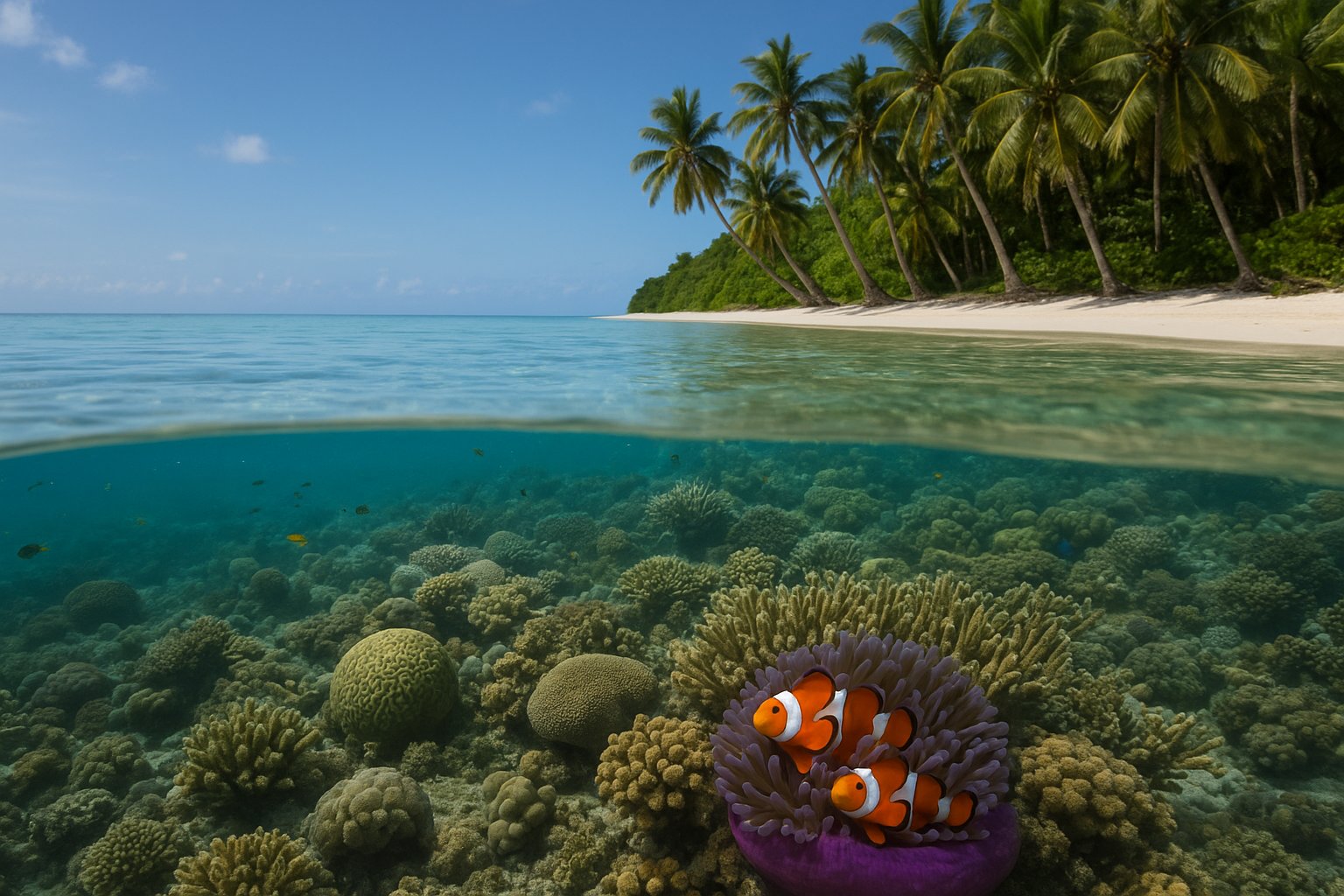
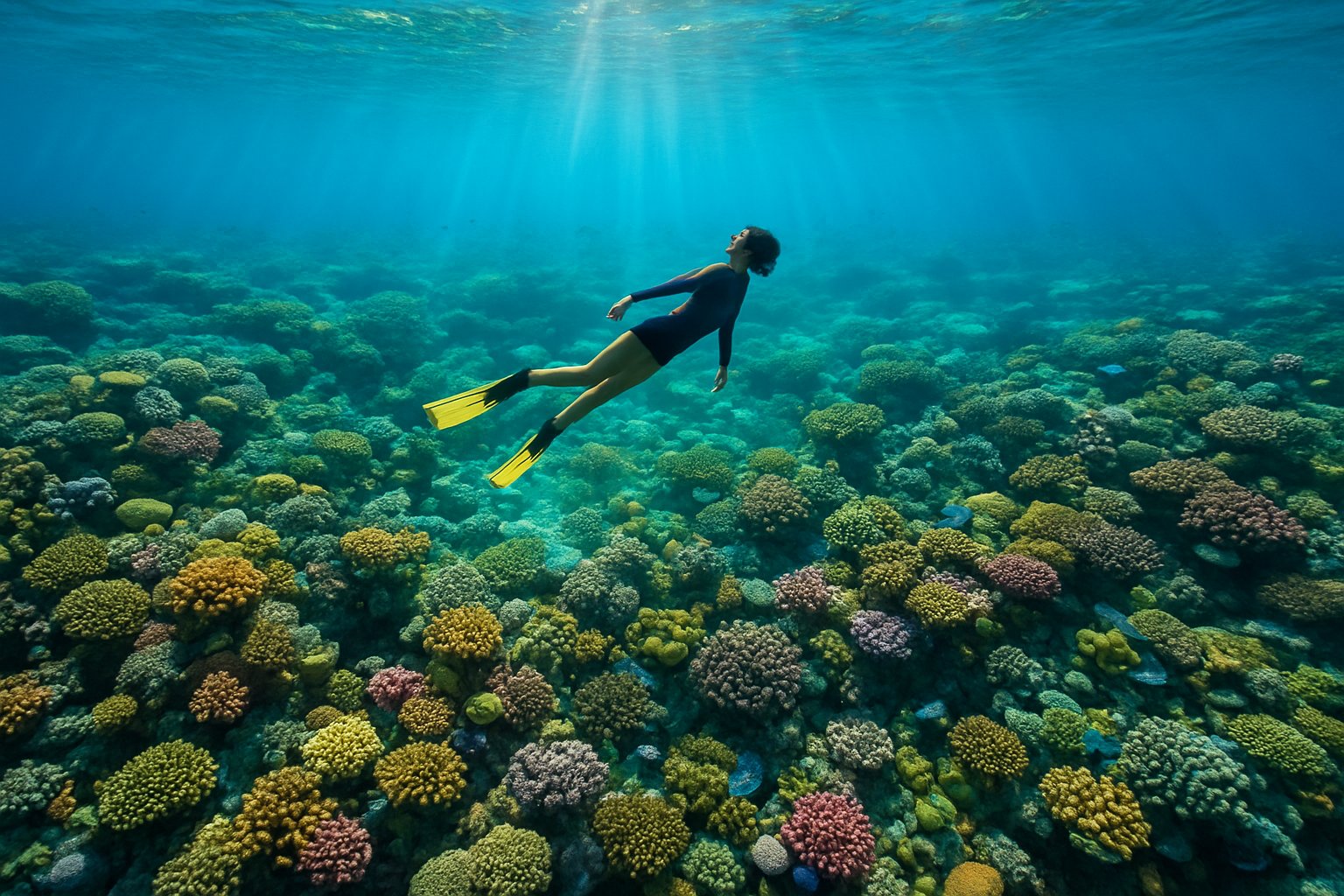
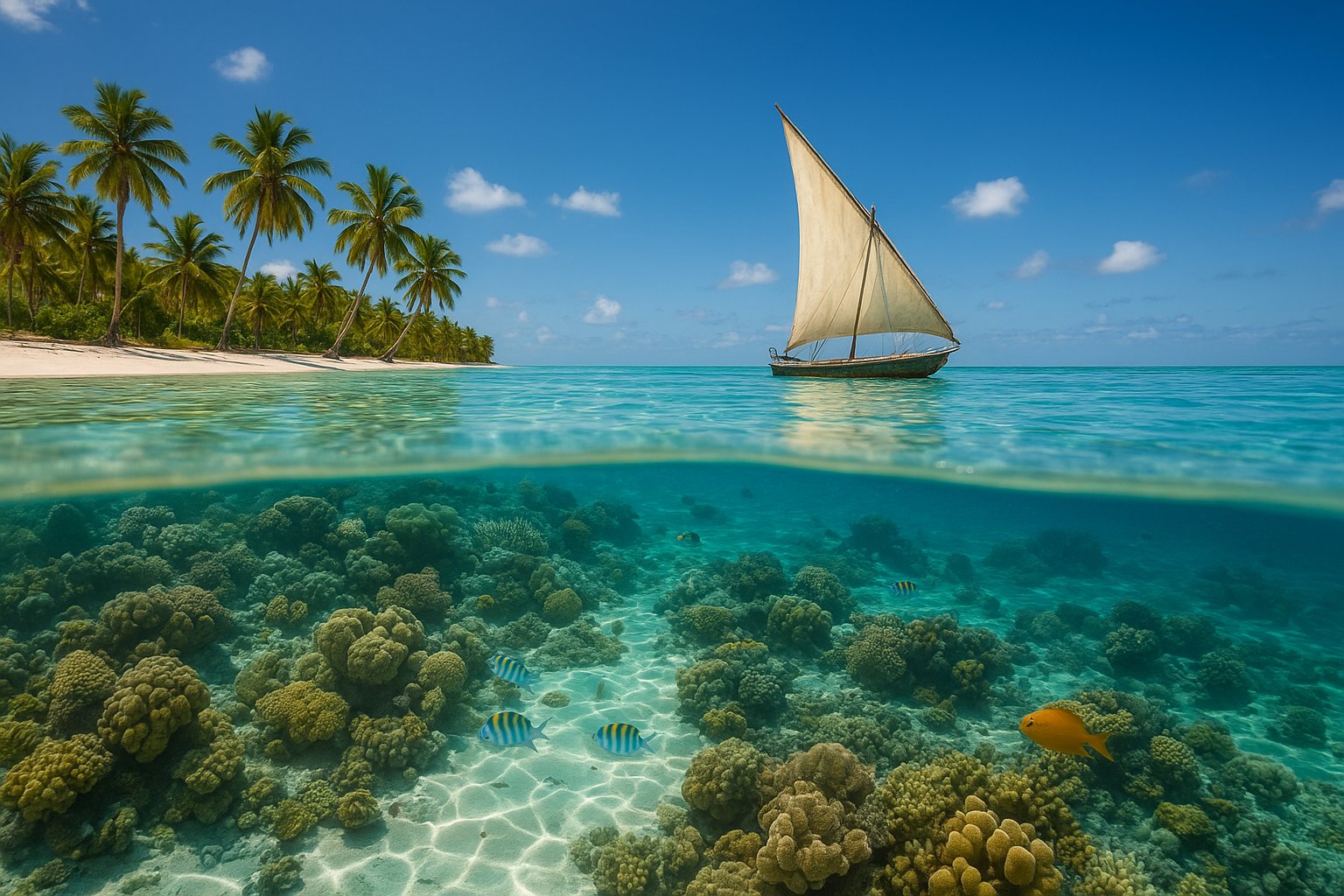
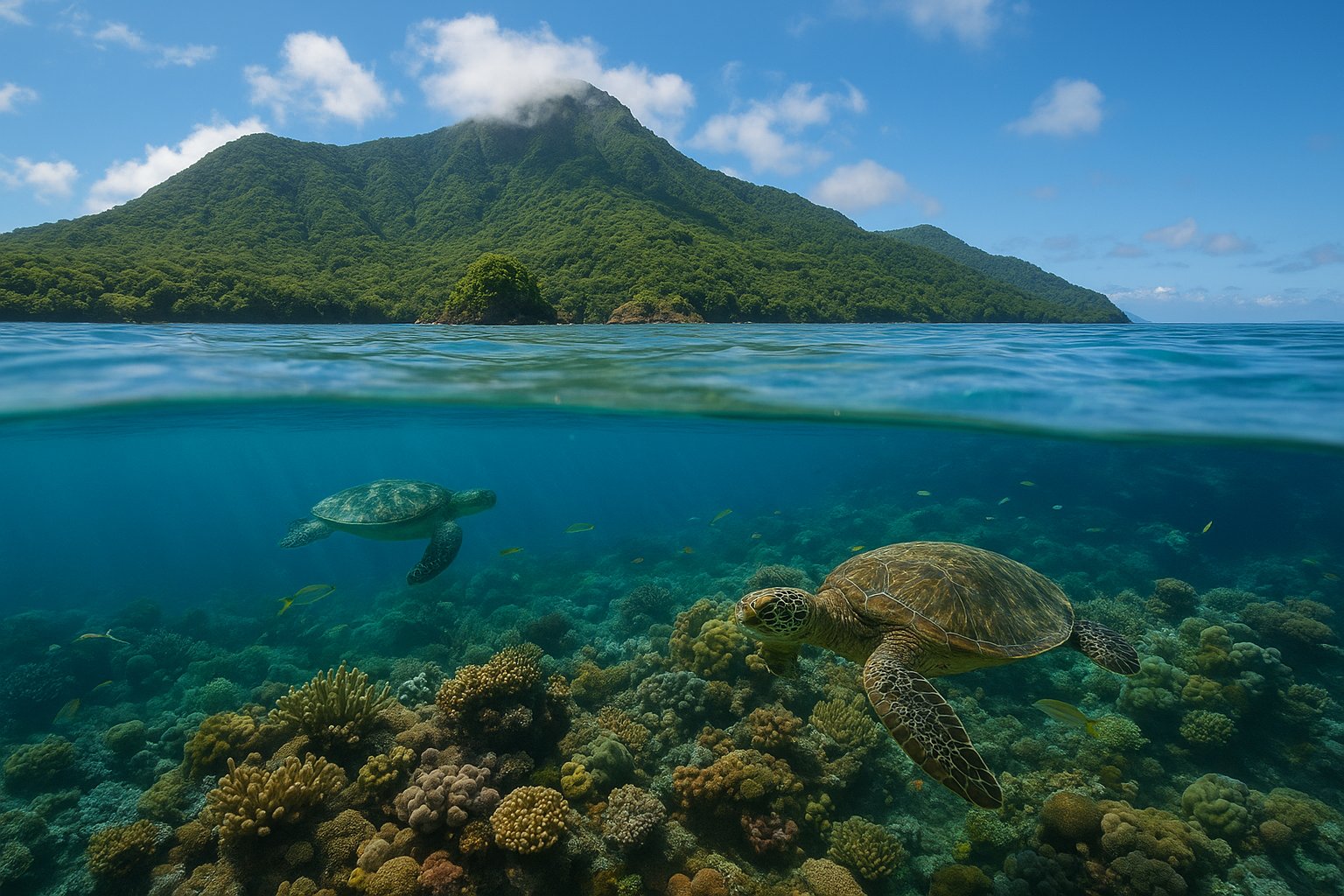
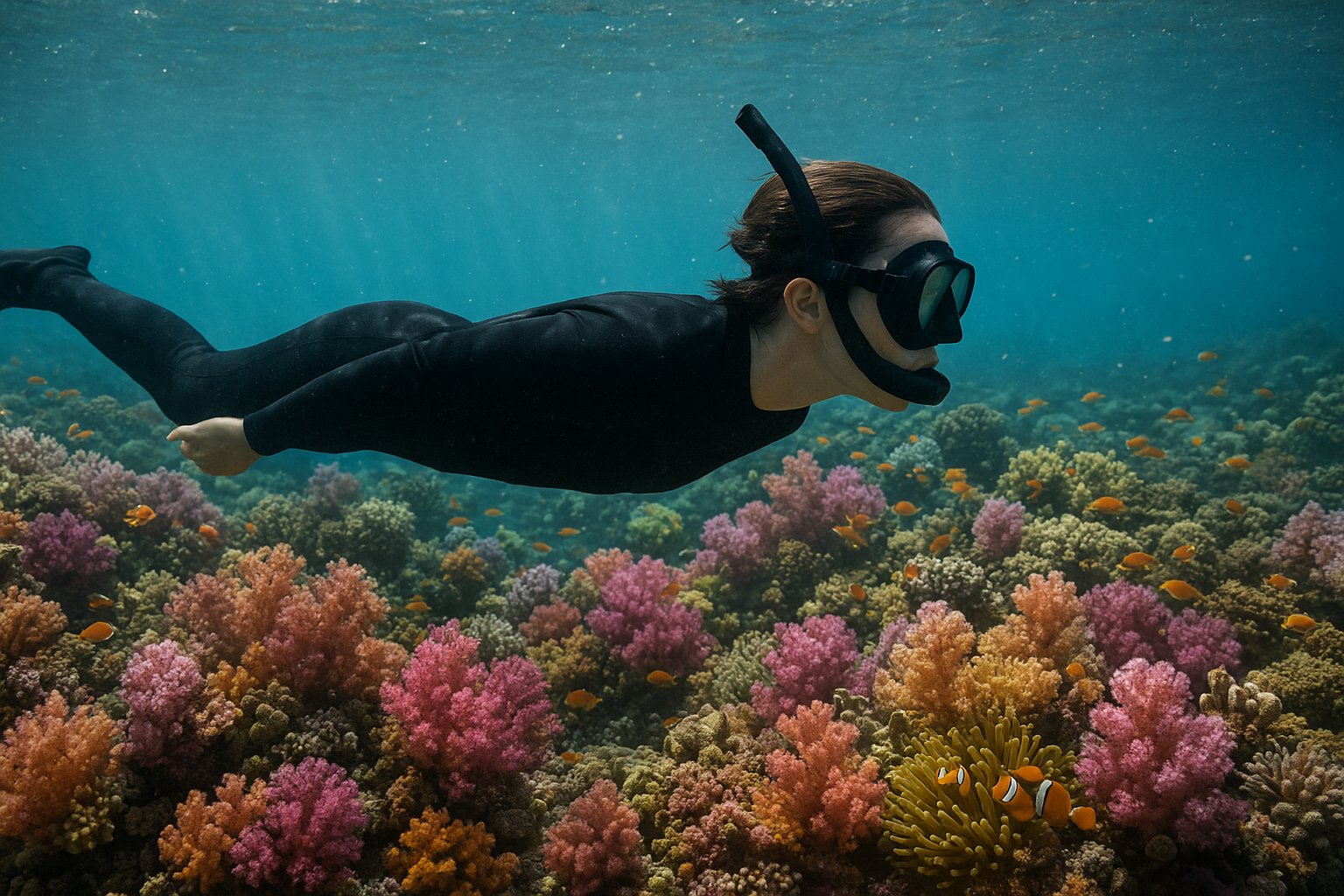
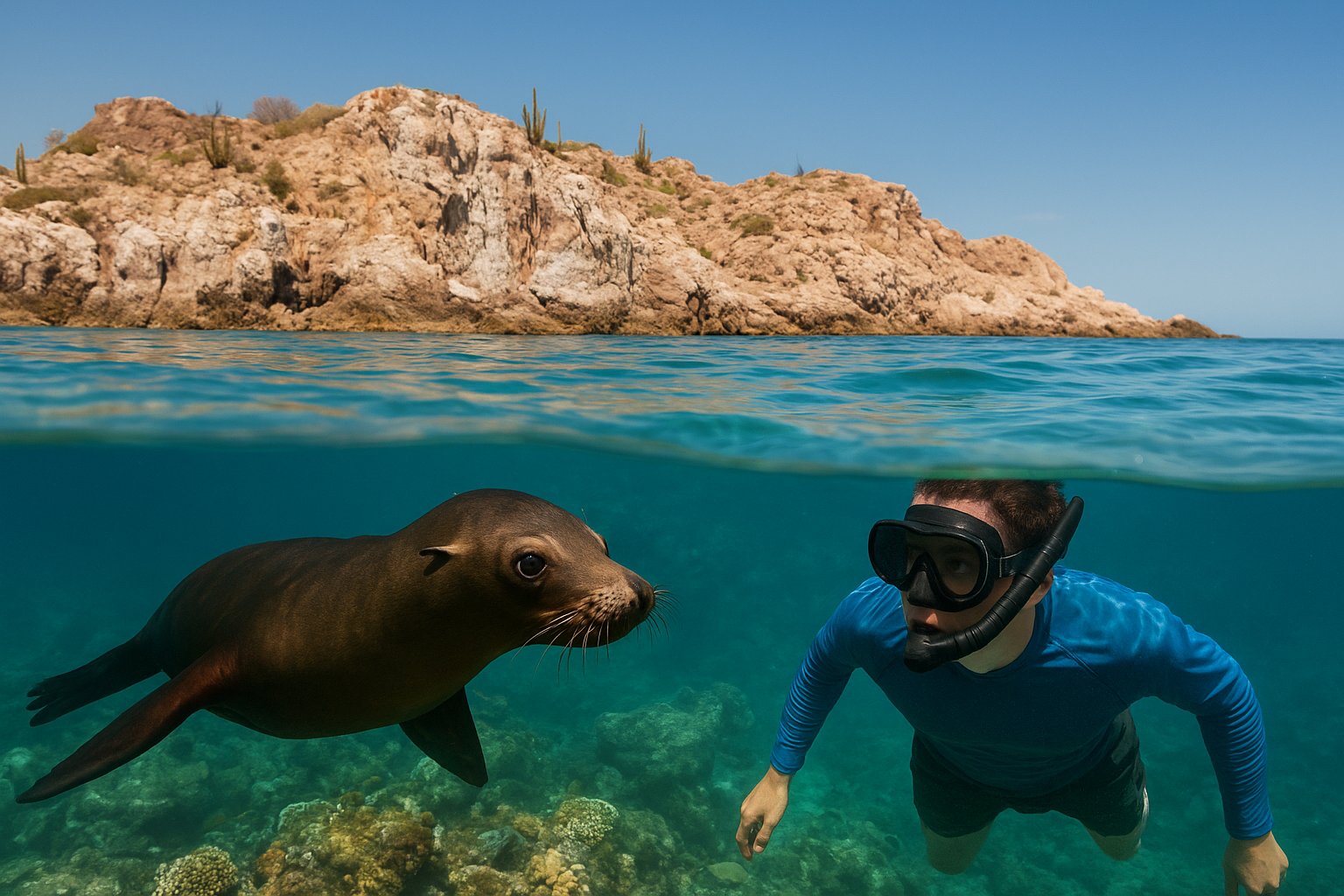
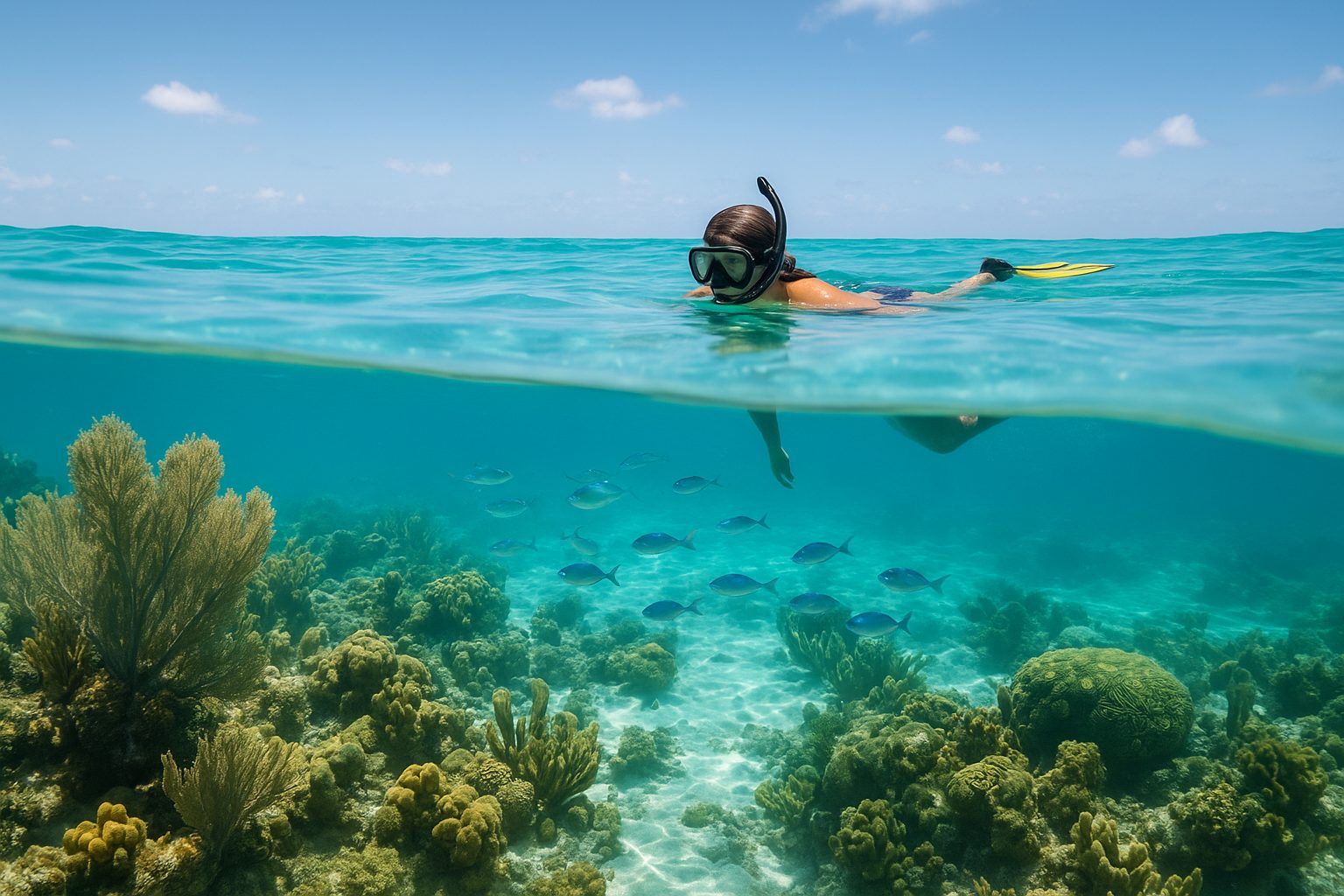
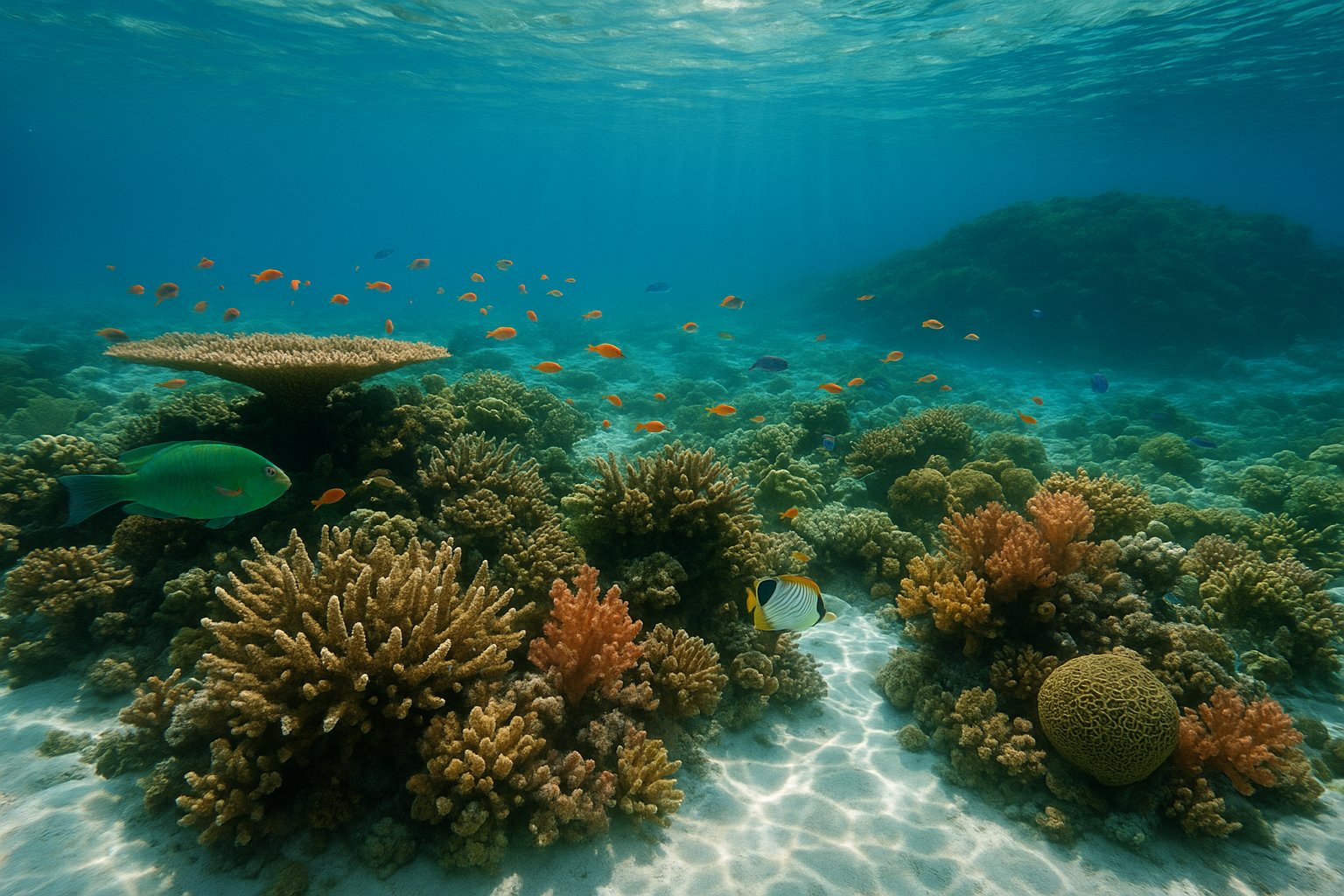
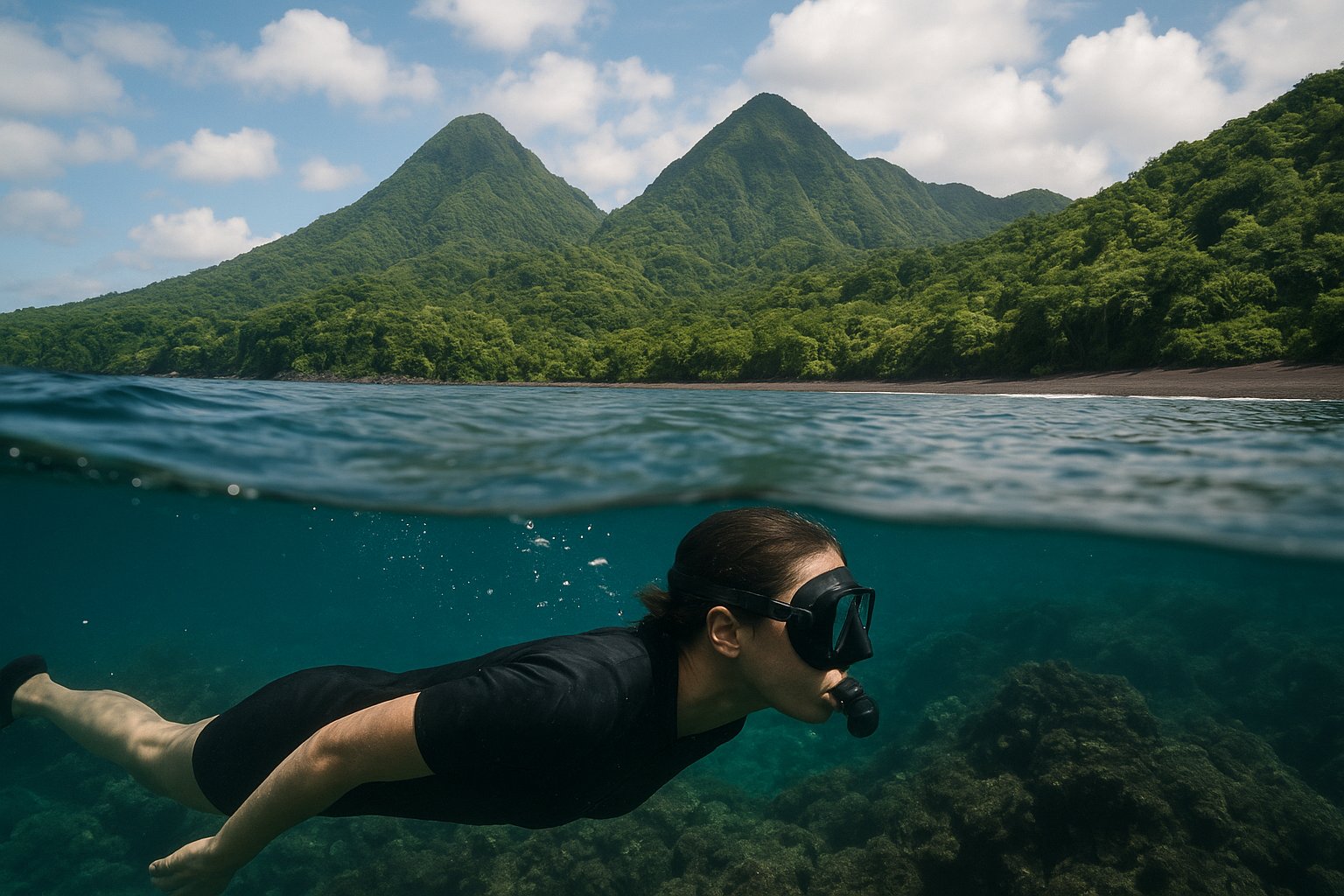
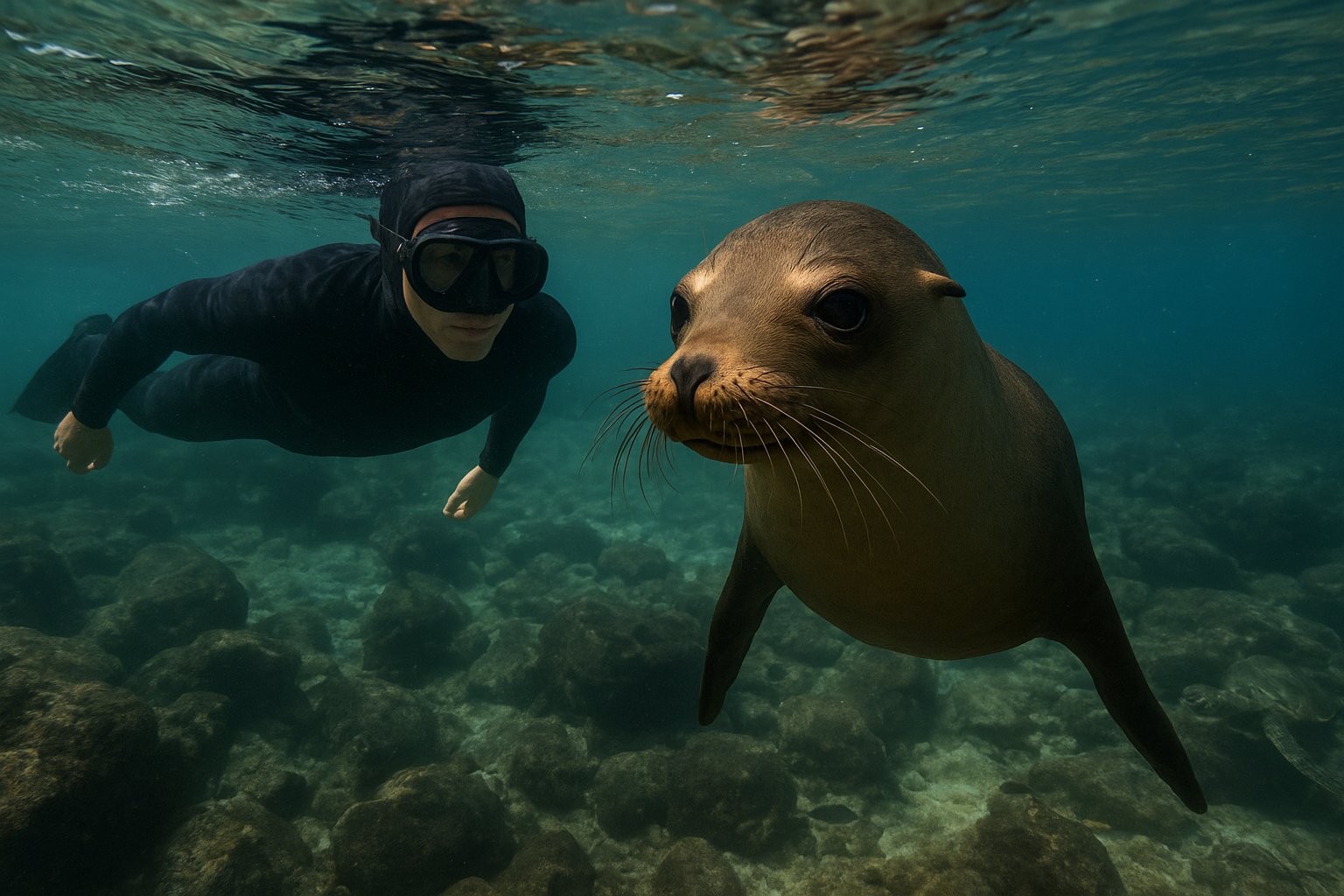
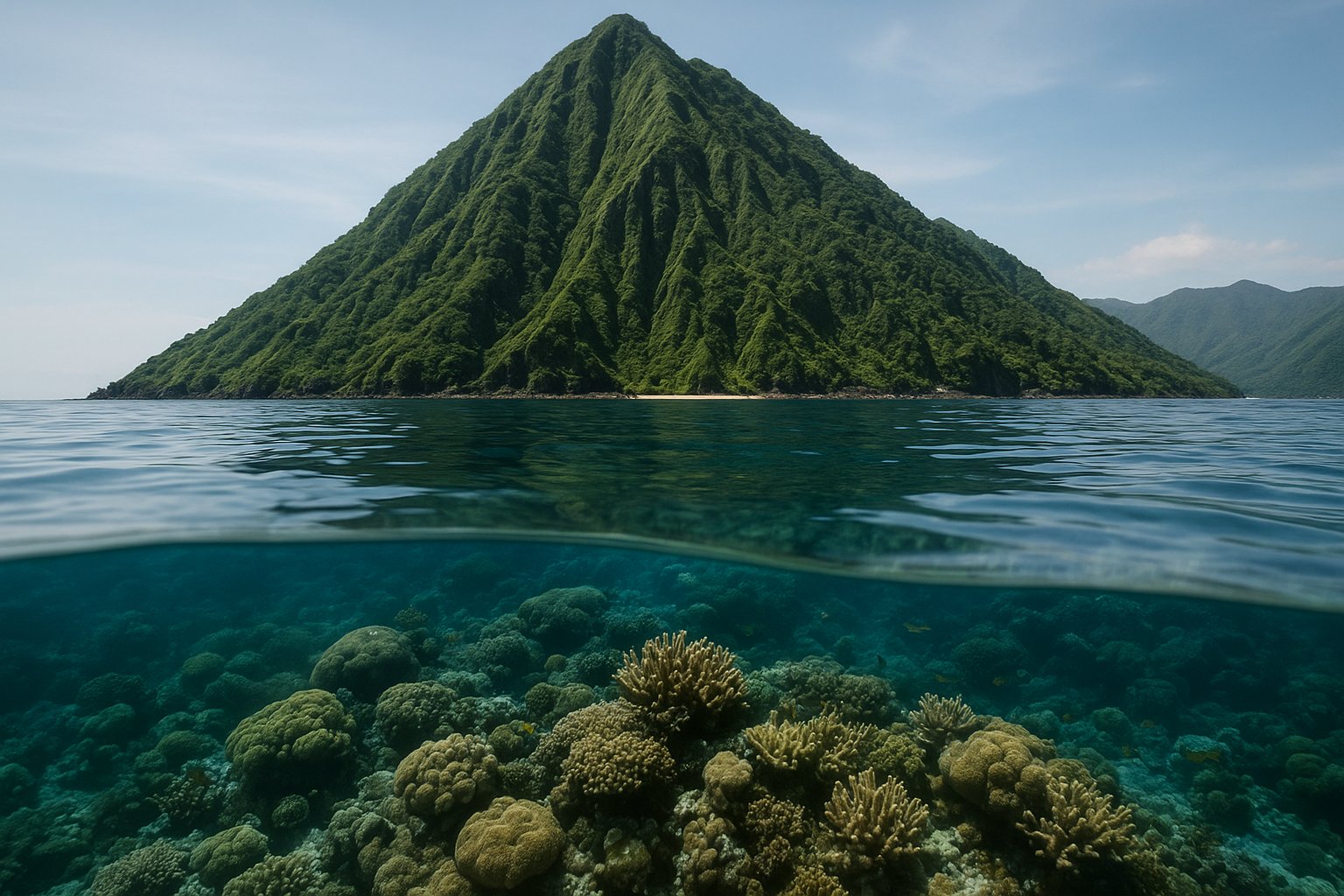
We believe snorkeling is for everyone — young, old, rich or poor. No expensive equipment, no boat, no licence or certificate. Just a mask, a reef, and time in the water. It is peaceful, beautiful, pure nature at its best. We have always called it like therapy — and now there is research that points the same way.
A narrative review published in July 2026, looking at twenty studies of physical activity in blue spaces, compared three sea-based activities — walking alongside the beach, swimming, and snorkeling — and found that the activities that put you in contact with the water had a greater positive impact than seaside walking.
Fatigue: snorkeling scored significantly better than seaside walking (p = 0.01).
Tension-anxiety: snorkeling scored significantly better than the control group (p = 0.02).
Vigour: snorkeling scored significantly better than the control group (p = 0.04).
Anger-hostility: across the water-contact activities in the same study, anger-hostility improved significantly — reported for swimming versus seaside walking (p = 0.03) and versus control (p = 0.03) — part of the same pattern that put swimming and snorkeling ahead of walking on the beach.
That is not medical advice, and we are not prescribing anything. It is simply what we have always felt in the water, now with evidence behind it: time on a reef restores you, and it is available to everyone.
Sources: Kanelli, A. A., Greka, C., & Kalantzi, O.-I. (2026). Immersed in Motion: A Narrative Review on Physical Activity Intensity and Mental Health Benefits in Blue Spaces (published 1 July 2026). Carreño, A., et al. (2023). Blue Prescription: A Pilot Study of Health Benefits for Oncological Patients of a Short Program of Activities Involving the Sea. Heliyon, 9, e17713.